





TSMC suit may be patent trolls
BAD FAITH LITIGATION? The two companies, owned by a California-based private equity firm, could be seeking licensing fees or a settlement payout with the suit
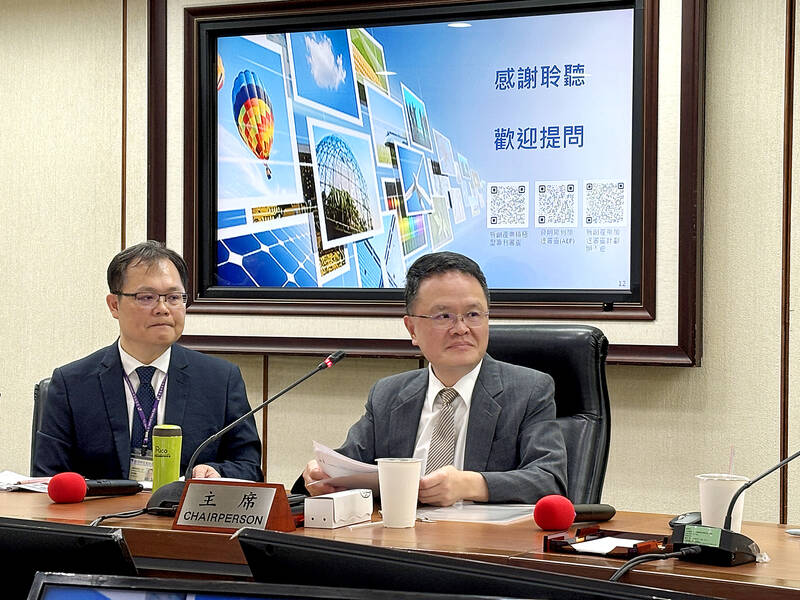
Taiwan Intellectual Property Office (TIPO) Director-General Liao Cheng-wei (廖承威) said yesterday he suspected that two firms suing contract chipmaker Taiwan Semiconductor Manufacturing Co (TSMC, 台積電) for patent infringement are “patent trolls.”
A patent troll refers to a company that buys patents not for manufacturing products, but to sue other companies for compensation, accusing them of using its patents.
Patent trolls, formally called Non-Practicing Entities or Patent Assertion Entities, were responsible for more than 50 percent of lawsuits in the US last year, costing targeted businesses tens of billions of US dollars a year, according to the US-based LegalCharity Web site.
Asked whether TIPO has knowledge of the details of the case filed with the US International Trade Commission (USITC), Liao told reporters that based on information the office has secured, the two Irish companies are patent trolls, seeking licensing fees or settlement money.
Axios reported on June 14 that Longitude Licensing and Marlin Semiconductor, the two Irish companies, have filed a complaint with the USITC, accusing TSMC of using their patented technology to produce chips. TSMC faces an investigation launched by the USITC based on the complaint.
The two Irish companies are subsidiaries of IPValue Management, owned by Vector Capital, a private equity firm based in San Francisco, according to Axios, which reported Marlin Semiconductor, in particular, acquired a portion of the patents from United Microelectronics Corp (聯電), a smaller contract chipmaker in Taiwan, in 2021.
TSMC has filed a petition with the US Patent and Trademark Office’s Patent Trial and Appeal Board to challenge the firms’ allegations, saying the patents in question are invalid, Liao said.
TSMC could argue that the patents questioned by the Irish firms have been published so they lacked novelty or inventiveness, invalidating them.
If the argument is accepted, the firms would have to withdraw their petition against the chipmaker, he said.
TSMC has a dominant lead in research and development and a strong IP team, so TIPO has faith in the chipmaker’s technology and patent strength, Liao said.
Meanwhile, four Republican lawmakers have urged the USITC to block imports of foreign-made chips found to infringe US patents in the case involving TSMC, Axios reported, citing a May 22 letter from the US lawmakers to ITC Chair Amy Karpel.
An administrative law judge is expected to issue a preliminary ruling this month, with the USITC possibly making a final decision in October, the report said.
TSMC suit may be patent trolls - Taipei Times
Bringing Taiwan to the World and the World to Taiwan
 www.taipeitimes.com