






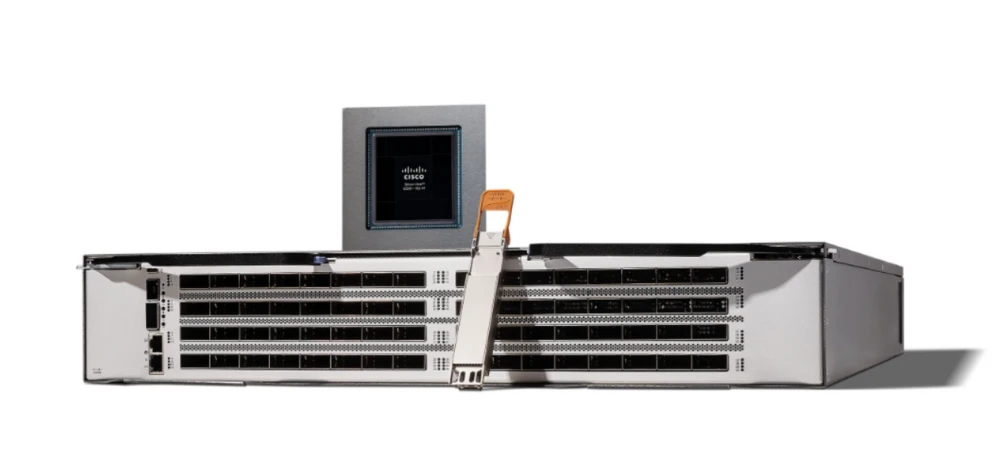
The Cisco Silicon One G300 was announced at Cisco Live EMEA and headlined a bevy of product announcements. Silicon One G300 powers Cisco's new N9000 and Cisco 8000 switches and offers 102.4 Tbps switching speeds in liquid cooled systems for hyperscalers, neoclouds, sovereign clouds and enterprises.
Cisco is surrounding its new AI networking chip and switches with Nexus One, a management platform that provides a unified fabric as well as native Splunk integration and AI job observability.
Jeetu Patel, President and Chief Product Officer at Cisco, said the company was focused on "innovating across the full stack - from silicon to systems and software."
According to Cisco, the network is critical to AI training and inference to get the most out of GPU investments. Silicon One G300 and the Cisco switches it powers are likely to compete with Nvidia's Mellanox InfiniBand and Spectrum-X Ethernet Photonics switch system as well as Broadcom's offerings such as its XPU and Tomahawk switches.
If you zoom out, Cisco's AI networking chips are another data point that Nvidia is getting a lot more competition. Custom silicon from the likes of AWS and Google Cloud and AMD offerings also indicate more choices other than Nvidia.
Key points about Silicon One G300 and the new switches from Cisco.
- Silicon One G300 has Intelligent Collective Networking, which features a shared packet buffer, path-based load balancing and proactive network telemetry.
- The AI networking chip responds to bursts, link failures and packet drops to deliver 33% increased network utilization.
- Silicon One G300 is programmable to be upgraded for new network functionality and has a unified architecture.
- Cisco N9000 and Cisco 8000 have 1.6T OSFP (Octal Small Form-factor Pluggable) Optics and 800G Linear Pluggable Optics (LPO) to halve power consumption.
- The company expanded its Silicon One P200-based systems for hyperscale deployments.
In addition to Cisco's AI silicon and new switches, the company also announced the following at Cisco Live EMEA.
Cisco upgraded AgenticOps with new platform additions to add autonomous actions and oversight. The company launched AgenticOps a year ago.
AgenticOps is upgraded with autonomous troubleshooting for campus, branch and industrial networks, context-aware optimization, trusted validation, experience metrics and workflow creation.
Cisco AI Defense, also launched a year ago, was upgraded with tools to secure the AI supply chain as well as AI agents.
The company said new features for Cisco AI Defense include AI Bill of Materials, which provides visibility into MCP servers and third parties; MCP Catalog, which inventories and manages risk across MCP servers; testing of models and agents in multiple languages; and real-time guardrails.
 www.constellationr.com
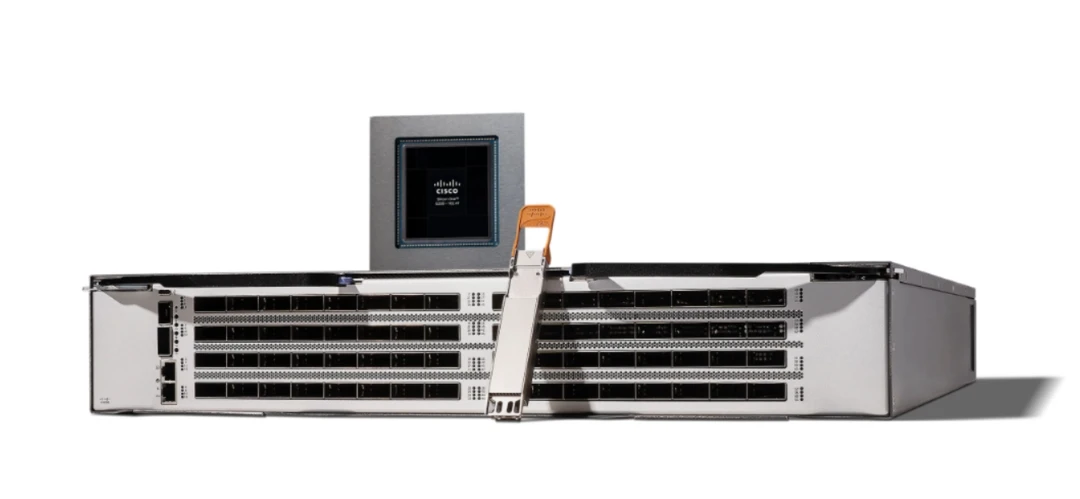
Cisco is surrounding its new AI networking chip and switches with Nexus One, a management platform that provides a unified fabric as well as native Splunk integration and AI job observability.
Jeetu Patel, President and Chief Product Officer at Cisco, said the company was focused on "innovating across the full stack - from silicon to systems and software."
According to Cisco, the network is critical to AI training and inference to get the most out of GPU investments. Silicon One G300 and the Cisco switches it powers are likely to compete with Nvidia's Mellanox InfiniBand and Spectrum-X Ethernet Photonics switch system as well as Broadcom's offerings such as its XPU and Tomahawk switches.
If you zoom out, Cisco's AI networking chips are another data point that Nvidia is getting a lot more competition. Custom silicon from the likes of AWS and Google Cloud and AMD offerings also indicate more choices other than Nvidia.
Key points about Silicon One G300 and the new switches from Cisco.
- Silicon One G300 has Intelligent Collective Networking, which features a shared packet buffer, path-based load balancing and proactive network telemetry.
- The AI networking chip responds to bursts, link failures and packet drops to deliver 33% increased network utilization.
- Silicon One G300 is programmable to be upgraded for new network functionality and has a unified architecture.
- Cisco N9000 and Cisco 8000 have 1.6T OSFP (Octal Small Form-factor Pluggable) Optics and 800G Linear Pluggable Optics (LPO) to halve power consumption.
- The company expanded its Silicon One P200-based systems for hyperscale deployments.
In addition to Cisco's AI silicon and new switches, the company also announced the following at Cisco Live EMEA.
Cisco upgraded AgenticOps with new platform additions to add autonomous actions and oversight. The company launched AgenticOps a year ago.
AgenticOps is upgraded with autonomous troubleshooting for campus, branch and industrial networks, context-aware optimization, trusted validation, experience metrics and workflow creation.
Cisco AI Defense, also launched a year ago, was upgraded with tools to secure the AI supply chain as well as AI agents.
The company said new features for Cisco AI Defense include AI Bill of Materials, which provides visibility into MCP servers and third parties; MCP Catalog, which inventories and manages risk across MCP servers; testing of models and agents in multiple languages; and real-time guardrails.
Cisco launches Silicon One G300, new Nexus switches, AI ops tools | Constellation Research
Cisco launched its Silicon One G300 AI networking chip in a move that aims to compete with Nvidia and Broadcom. The Cisco Silicon One G300 was announced at Cisco Live EMEA and headlined a bevy of product announcements. Silicon One G300 powers Cisco's new N9000 and Cisco 8000 switches and offers...
www.constellationr.com
