




At Intel, ambitions were high—perhaps a little too high all at once. The 18A process was supposed to mark the major comeback, both technologically and strategically. Instead, indications are now increasing that this very flagship is causing internal delays.
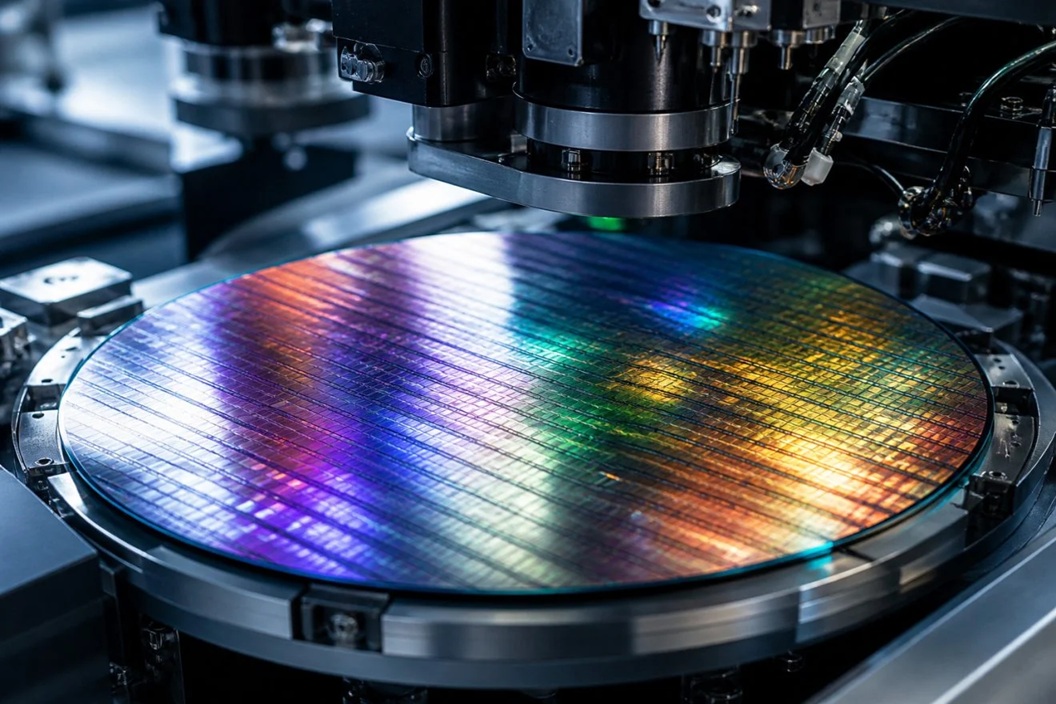
Intel 18A is not just another shrink. It is a complete architectural transition on multiple levels:

This combination massively increases complexity. In particular, the integration of PowerVia is considered a riskier step, as it intervenes deeply in the design and thermal characteristics. The delays hit Intel at a sensitive point. With Intel Foundry Services (IFS), the company wanted to compete seriously with TSMC for the first time. Customers such as Microsoft or potentially also US government projects, however, require stable roadmaps. Should the indications be confirmed, confidence in Intel’s manufacturing offensive could at least suffer in the short term. At the same time, it should be noted: Samsung also regularly struggles with similar problems at new nodes. The current status is a classic example of the reality of modern semiconductor development: ambition meets physics. The decisive factor will be whether Intel can stabilize the problems in the short term or whether structural delays will result. A final schedule for the broad rollout of 18A therefore remains—at least from an external perspective—unclear.
Conclusion
With 18A, Intel is deliberately taking a high risk in order to return to the technological forefront. That it is encountering problems is hardly surprising. What matters now is not the delay itself, but how quickly and cleanly Intel responds to it. The coming months are likely to decide whether 18A becomes a turning point—or the next chapter in an already long catch-up effort.

 www.igorslab.de
Reports of yield problems and internal adjustments
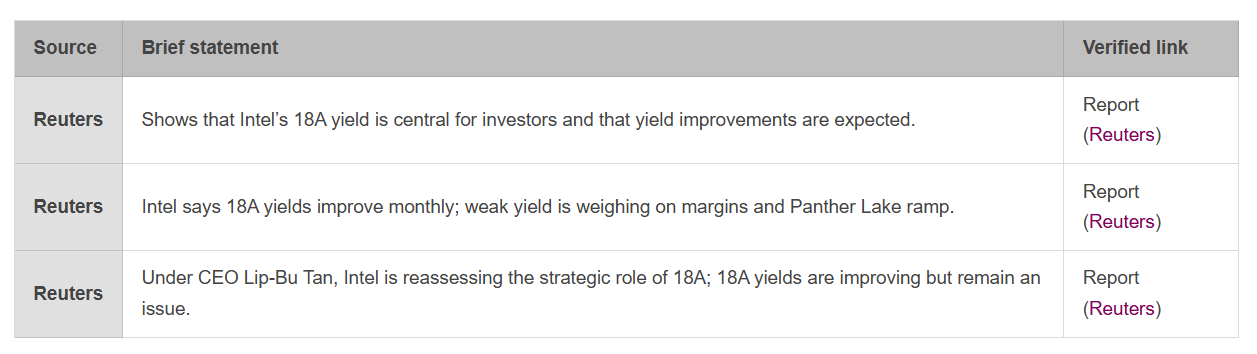
According to consistent reports from industry circles and the supply-chain environment, Intel has postponed parts of the planned mass production of its 18A process. This has not yet been officially confirmed in this form; however, Intel itself recently emphasized that it was still “on track” — a formulation that, as experience shows, leaves room for interpretation. Specifically, the issue concerns so-called yield problems, meaning the output of functioning chips per wafer. This is not surprising with new technologies such as RibbonFET (Gate-All-Around transistors) and PowerVia (Backside Power Delivery) — but the scale is.Intel 18A is not just another shrink. It is a complete architectural transition on multiple levels:
This combination massively increases complexity. In particular, the integration of PowerVia is considered a riskier step, as it intervenes deeply in the design and thermal characteristics. The delays hit Intel at a sensitive point. With Intel Foundry Services (IFS), the company wanted to compete seriously with TSMC for the first time. Customers such as Microsoft or potentially also US government projects, however, require stable roadmaps. Should the indications be confirmed, confidence in Intel’s manufacturing offensive could at least suffer in the short term. At the same time, it should be noted: Samsung also regularly struggles with similar problems at new nodes. The current status is a classic example of the reality of modern semiconductor development: ambition meets physics. The decisive factor will be whether Intel can stabilize the problems in the short term or whether structural delays will result. A final schedule for the broad rollout of 18A therefore remains—at least from an external perspective—unclear.
Conclusion
With 18A, Intel is deliberately taking a high risk in order to return to the technological forefront. That it is encountering problems is hardly surprising. What matters now is not the delay itself, but how quickly and cleanly Intel responds to it. The coming months are likely to decide whether 18A becomes a turning point—or the next chapter in an already long catch-up effort.
Intel delays 18A schedule: manufacturing problems slow down the hopeful centerpiece of the foundry offensive|igor´sLAB
At Intel, ambitions were high—perhaps a little too high all at once. The 18A process was supposed to mark the major comeback, both technologically and strategically. Instead, indications are now increasing that this very flagship is…
www.igorslab.de