



Array
(
    [content] => 
    [params] => Array
        (
            [0] => /forum/threads/dylan-patels-semianalysis-is-being-sued.24882/
        )

    [addOns] => Array
        (
            [DL6/MLTP] => 13
            [Hampel/TimeZoneDebug] => 1000070
            [SV/ChangePostDate] => 2010200
            [SemiWiki/Newsletter] => 1000010
            [SemiWiki/WPMenu] => 1000010
            [SemiWiki/XPressExtend] => 1000010
            [ThemeHouse/XLink] => 1000970
            [ThemeHouse/XPress] => 1010570
            [XF] => 2031070
            [XFI] => 1060170
        )

    [wordpress] => /var/www/html
)

Dylan Patel's SemiAnalysis Is Being Sued

Daniel Nenni

Founder
Staff member
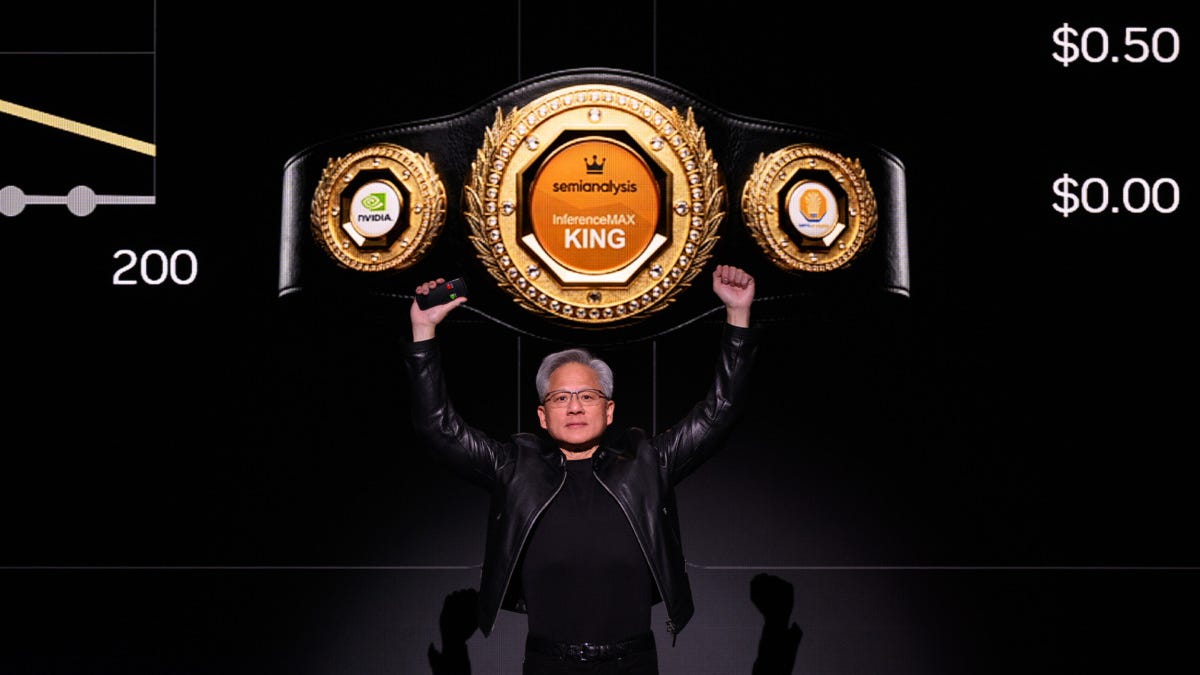
One of the more recent tour deforces in the semiconductor industry today is the analyst firm SemiAnalysis, headed up by CEO Dylan Patel and a team of around 50 employees all aimed at providing reports and models for the AI ecosystem - everything from datacenter build-out to supply-chain economics and deployments. The firm is relatively new on the stage, but quickly gained significant notoriety for its in-depth analysis and strong opinions, that over time was backed by substantial research. The substack for SemiAnalysis is the front facing part of the business, but the $50m+* revenue the company pulls in is mostly from selling its quarterly industry reports and other data features such as its InferenceX benchmarking and rating system for AI companies and datacenters. It’s at a point where Dylan and SemiAnalysis are referenced directly in NVIDIA keynotes and by people like Jim Cramer.

*This number has big error bars. I’ve tried to extrapolate it from data I once knew was correct…

The reason I’m writing this post today is because of a filing made in San Francisco County’s Superior Court. Former employee Wei Zhou is suing SemiAnalysis for, among other things, breach of contract and wrongful termination.

1775292837281.png

 
This seems plausible to me (Dylan/co taking shortcuts):

Zhou’s filing against SemiAnalysis boils down to the fact that when given material non-public information (MNPI) and told to incorporate it into the SemiAnalysis models that were then sold to clients (financial and in the semi industry), he refused to do so on the understanding it would break several laws. Zhou claims that as a retaliatory measure, Dylan/SemiAnalysis promptly fired him from the business, removing all access. To make matters worse, the MNPI was related to a $50m investment vehicle that Dylan Patel was in charge of personally, and Zhou highlighted that SemiAnalysis team members worked on this were doing so in company time. Zhou highlights that SemiAnalysis President, Doug O’Laughlin, had duties to stop the use of MNPI, but claims he was too busy fundraising for Patel’s investment vehicle.

..

But the defense statement is interesting (posted by Dylan):

In January 2026, SemiAnalysis terminated an employee due to severe misconduct. The former employee demeaned coworkers, came to work drunk, refused to work with certain SemiAnalysis employees, caused repeated workplace disruptions, made an inappropriate sexual comment to a coworker referencing another Company employee by name in a demeaning and sexually explicit manner, and engaged in other misconduct.


(Both could be true). .
 
This seems plausible to me (Dylan/co taking shortcuts):

Zhou’s filing against SemiAnalysis boils down to the fact that when given material non-public information (MNPI) and told to incorporate it into the SemiAnalysis models that were then sold to clients (financial and in the semi industry), he refused to do so on the understanding it would break several laws. Zhou claims that as a retaliatory measure, Dylan/SemiAnalysis promptly fired him from the business, removing all access. To make matters worse, the MNPI was related to a $50m investment vehicle that Dylan Patel was in charge of personally, and Zhou highlighted that SemiAnalysis team members worked on this were doing so in company time. Zhou highlights that SemiAnalysis President, Doug O’Laughlin, had duties to stop the use of MNPI, but claims he was too busy fundraising for Patel’s investment vehicle.

..

But the defense statement is interesting (posted by Dylan):

In January 2026, SemiAnalysis terminated an employee due to severe misconduct. The former employee demeaned coworkers, came to work drunk, refused to work with certain SemiAnalysis employees, caused repeated workplace disruptions, made an inappropriate sexual comment to a coworker referencing another Company employee by name in a demeaning and sexually explicit manner, and engaged in other misconduct.


(Both could be true). .
Patel's full post from LinkedIn:

I want to speak directly about a situation involving a former employee and recent legal filings. This is not something we take lightly.

In January 2026, SemiAnalysis terminated an employee due to severe misconduct. The former employee demeaned coworkers, came to work drunk, refused to work with certain SemiAnalysis employees, caused repeated workplace disruptions, made an inappropriate sexual comment to a coworker referencing another Company employee by name in a demeaning and sexually explicit manner, and engaged in other misconduct.

SemiAnalysis filed suit against this former employee in San Francisco on Friday, March 27th 2026 for breach of contract, trade secret misappropriation, and other claims. On the following Tuesday, the former employee then filed a meritless lawsuit against SemiAnalysis.

We want to be clear: SemiAnalysis unequivocally denies these claims, and we will defend against them vigorously.

Our suit is available here:
https://lnkd.in/g_YrSvdJ

Case Number: CGC-26-635328
 
This seems plausible to me (Dylan/co taking shortcuts):

Zhou’s filing against SemiAnalysis boils down to the fact that when given material non-public information (MNPI) and told to incorporate it into the SemiAnalysis models that were then sold to clients (financial and in the semi industry), he refused to do so on the understanding it would break several laws. Zhou claims that as a retaliatory measure, Dylan/SemiAnalysis promptly fired him from the business, removing all access. To make matters worse, the MNPI was related to a $50m investment vehicle that Dylan Patel was in charge of personally, and Zhou highlighted that SemiAnalysis team members worked on this were doing so in company time. Zhou highlights that SemiAnalysis President, Doug O’Laughlin, had duties to stop the use of MNPI, but claims he was too busy fundraising for Patel’s investment vehicle.

..

But the defense statement is interesting (posted by Dylan):

In January 2026, SemiAnalysis terminated an employee due to severe misconduct. The former employee demeaned coworkers, came to work drunk, refused to work with certain SemiAnalysis employees, caused repeated workplace disruptions, made an inappropriate sexual comment to a coworker referencing another Company employee by name in a demeaning and sexually explicit manner, and engaged in other misconduct.


(Both could be true). .

I don't think "taking shortcuts" adequately covers what is being done here. Here is an example that I completely made up for the purposes of discussion:

If data from a TXXX N3 PDK, which we all know is protected by NDAs and other legal documents, is used in a report that is then sold for profit. Are laws being broken? Or is this just a "shortcut"?

Or, if you resell stolen merchandise knowing full well that it is stolen are you breaking a law? Or is this just a shortcut?
 
There will be no winners here. I seriously doubt Dylan will let it go to the deposition phase. You just never know what other shortcuts will come up during discovery.


**SemiAnalysis is currently involved in a legal dispute mainly with a former employee, and the situation includes both sides suing each other.

Main reason they’re being sued​

A former employee (Wei Zhou) filed a lawsuit alleging:
  • Wrongful termination
  • Breach of contract
  • Retaliation
  • Violation of labor laws
According to the filing, the employee claims he refused to incorporate material non-public information (MNPI) into SemiAnalysis reports because doing so could violate securities or disclosure laws. He alleges that after refusing, he was terminated in retaliation.

The complaint also claims:
  • The information was related to investment activities connected to leadership
  • Staff allegedly worked on those efforts during company time
  • The firing occurred soon after he raised concerns about legality and compliance

SemiAnalysis’ response​

Founder Dylan Patel says the company:

  • Fired the employee for misconduct
  • Then filed its own lawsuit first
  • Accuses the former employee of breach of contract and trade-secret misuse
  • Denies the retaliation allegations and says it will defend itself vigorously

Short timeline​

  • January 2026: Employee terminated (per company statement)
  • March 2026: SemiAnalysis sues former employee
  • Shortly after: Former employee files counter-lawsuit against SemiAnalysis
  • Now: Both sides are in active litigation

In simple terms​

  • Former employee: “I was fired for refusing to use questionable data.”
  • SemiAnalysis: “We fired him for misconduct; he misused company information.”
The case is ongoing, so none of the allegations have been proven in court yet.
 
I don't think "taking shortcuts" adequately covers what is being done here. Here is an example that I completely made up for the purposes of discussion:

If data from a TXXX N3 PDK, which we all know is protected by NDAs and other legal documents, is used in a report that is then sold for profit. Are laws being broken? Or is this just a "shortcut"?

Or, if you resell stolen merchandise knowing full well that it is stolen are you breaking a law? Or is this just a shortcut?

I'm going to say "it depends". Read Ian's article and the filing excerpts more carefully. Dylan was intimately involved with the private (not public) company in question, Fluidstack, with a substantial interest in it. I have seen private companies release MNPI with the intent of having it transformed by friendly third parties into models, forecasts and statements that boost the credibility of the releasing company, without direct release of the numbers. In the EDA world, many startups and even public companies released anonymized but proprietary customer benchmark comparisons, that could never be shared directly, through John Cooley - that was a key part of John's business model. And since Fluidstack is a private UK-based company, I'm pretty sure there is no direct governmental legal case per the SEC. I'll be more interested in how Fluidstack reacts to this allegation.
 
Last edited:
I'm going to say "it depends". Read Ian's article and the filing excerpts more carefully. Dylan was intimately involved with the private (not public) company in question, Fluidstack, with a substantial interest in it. I have seen private companies release MNPI with the intent of having it transformed by friendly third parties into models, forecasts and statements that boost the credibility of the releasing company, without direct release of the numbers. In the EDA world, many startups and even public companies released anonymized but proprietary customer benchmark comparisons, that could never be shared directly, through John Cooley - that was a key part of John's business model. And since the company is a private UK-based company, I'm pretty sure there is no direct governmental legal case per the SEC. I'll be more interested in how Fluidstack reacts to this allegation.

I was wondering which side leaked it to Ian? My guess would be plaintiff as they have the most to lose here?
 
Why would it matter whether semianalysis used non public information of a private company? It’s not a crime if there are no public securities involved
 
Why would it matter whether semianalysis used non public information of a private company? It’s not a crime if there are no public securities involved
I don't think "taking shortcuts" adequately covers what is being done here. Here is an example that I completely made up for the purposes of discussion:

If data from a TXXX N3 PDK, which we all know is protected by NDAs and other legal documents, is used in a report that is then sold for profit. Are laws being broken? Or is this just a "shortcut"?

Or, if you resell stolen merchandise knowing full well that it is stolen are you breaking a law? Or is this just a shortcut?

Using nonpublic information in an industrial analysis and selling the report for profit may be legal. However, if the individuals involved in the report are also raising money from others to create an investment vehicle, then stricter securities laws and regulations apply.

Otherwise, scammers would be free to operate openly, promoting the next generation of snake oil.
 
I'm going to say "it depends". Read Ian's article and the filing excerpts more carefully. Dylan was intimately involved with the private (not public) company in question, Fluidstack, with a substantial interest in it. I have seen private companies release MNPI with the intent of having it transformed by friendly third parties into models, forecasts and statements that boost the credibility of the releasing company, without direct release of the numbers. In the EDA world, many startups and even public companies released anonymized but proprietary customer benchmark comparisons, that could never be shared directly, through John Cooley - that was a key part of John's business model. And since Fluidstack is a private UK-based company, I'm pretty sure there is no direct governmental legal case per the SEC. I'll be more interested in how Fluidstack reacts to this allegation.

Even if a company is based in the UK, any fundraising activities conducted in the U.S. will subject it to a wide range of U.S. securities laws and regulations.
 
I was wondering which side leaked it to Ian? My guess would be plaintiff as they have the most to lose here?
The bottom of the article says that he (Ian) stays in touch with Dylan, though they only meet a few times a year, while he's more recently had conversations with Wei.

My guess is Wei said something.
 
Even if a company is based in the UK, any fundraising activities conducted in the U.S. will subject it to a wide range of U.S. securities laws and regulations.
Most of the Part D rules focus on only selling shares to accredited investors and no public marketing of the offering.

But my main contention remains - this is only really problematic if Fluidstack has a problem with anything info Dylan & company released.
 
Most of the Part D rules focus on only selling shares to accredited investors and no public marketing of the offering.

But my main contention remains - this is only really problematic if Fluidstack has a problem with anything info Dylan & company released.

But Mr. Patel is also involved in a $50 million investment vehicle. According to the lawsuit, a group of individuals are working for both the consulting/advisory business and the investment vehicle. That makes the situation very different.

There are strict securities regulations governing how a consulting/advisory unit and an investment unit operate under the same ownership. In principle, they must function separately, with different reporting structures and in compliance with many rules and regulations.
 
There are strict securities regulations governing how a consulting/advisory unit and an investment unit operate under the same ownership. In principle, they must function separately, with different reporting structures and in compliance with many rules and regulations.

Things are much looser for private funds - no separate units required, just disclosure. For investment advisers (including those advising funds on private deals), the Advisers Act requires written policies to prevent MNPI misuse and to disclose and manage conflicts of interest; SEC enforcement actions have repeatedly hit advisers over conflicts and MNPI in private fund contexts. Would be interesting to see inside of this article:

 
Back
Top